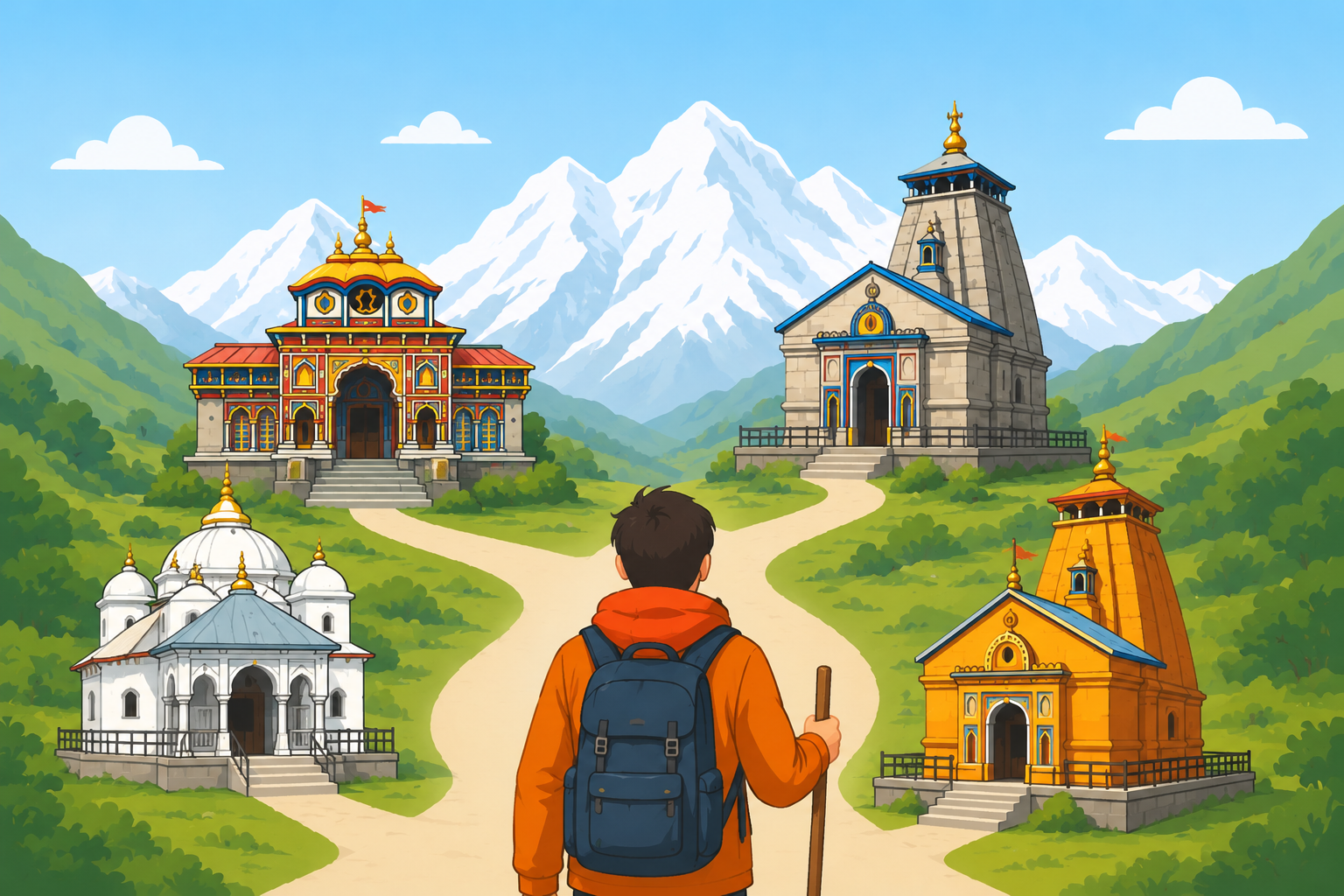
There is a beautiful moment in the Himalayas every spring when the heavy winter snow finally begins to melt and the quiet mountain valleys come alive with the sound of temple bells. For millions of people, this is the sign they have been waiting for. It means the gates are opening, and it is time to begin the Char Dham Yatra.
If you have been dreaming of making this journey, the wait is officially over. The Char Dham Yatra opening dates 2026 have been announced. Whether you are looking for a moment of deep personal peace or you want to challenge yourself on some of India’s most breathtaking mountain trails, timing your trip right makes all the difference.
Let’s look at a simple, stress-free guide to help you plan your journey around this year’s schedule.
Why the Temples Close Every Winter
The four sacred stops on this journey are Yamunotri, Gangotri, Kedarnath, and Badrinath. They are built remarkably high up in the mountains, sitting between 10,000 and 11,500 feet above sea level. Because they are so high up, these valleys face incredibly harsh winters with freezing winds and massive blankets of snow, making them completely unreachable for half the year.
Every autumn, before the heavy snow sets in, the temple priests carefully carry the deities down to warmer, lower towns like Ukhimath and Joshimath so people can continue to pray to them. When spring returns, the local elders and priests use the traditional calendar to choose the exact, auspicious days to welcome the deities back to their mountain homes.
The 2026 Travel Calendar: Opening and Closing Dates
To follow tradition, most travelers visit the shrines from west to east. Planning your route in this specific order makes your travel smoother: start at Yamunotri, move to Gangotri, head over to Kedarnath, and finish your journey at Badrinath.
1. Yamunotri Temple
- Opening Day: April 19, 2026
- Closing Day: November 11, 2026Your journey begins near the birthplace of the sacred Yamuna River. To reach this peaceful shrine, you will take a rewarding 6-kilometer walk from the base camp at Janki Chatti. The gates stay open all through the summer and autumn, closing just after the Diwali celebrations.
2. Gangotri Temple
- Opening Day: April 19, 2026
- Closing Day: November 10, 2026Gangotri opens on the exact same day as Yamunotri. This beautiful temple honors the Goddess Ganga. A wonderful thing about Gangotri is that cars and buses can drive right up to the entrance, making it a very comfortable and accessible stop if you are traveling with young children or elderly parents.
3. Kedarnath Temple
- Opening Day: April 22, 2026
- Closing Day: November 11, 2026The Kedarnath opening date 2026 is always one of the most highly anticipated days of the year. This ancient stone temple dedicated to Lord Shiva sits in a dramatic valley next to the rushing Mandakini River. Reaching it requires a long, heartfelt trek of about 16 to 18 kilometers from Gaurikund. The energy here during opening week is absolutely incredible, but do remember to pack your warmest winter clothes because the high-altitude winds get biting cold.
4. Badrinath Temple
- Opening Day: April 23, 2026
- Closing Day: November 13, 2026Your final stop is the vibrant home of Lord Vishnu. The Badrinath opening date 2026 is set for late April. The temple stands colorfully against a backdrop of massive, snow-capped mountains and is easy to reach by vehicle. Because of its location, it stays open the longest of all four shrines.
Setting Up Your Registration
To keep everyone safe on the winding mountain roads, the Uttarakhand government asks every traveler to register before starting their trip. Local officers check these passes at checkpoints along the way, and you will need a valid registration card to continue.
How to Register:
- The Official Website: You can easily sign up online through the Uttarakhand Tourism Tourist Care Portal.
- On Your Phone: If you prefer, you can use their official “Tourist Care Uttarakhand” mobile app or register via their dedicated WhatsApp number.
- Booking Special Services: If you want to arrange specific rituals or check temple schedules directly, you can access the Shri Badarinath Kedarnath Temple Committee Official Portal for authentic updates.
A helpful piece of advice: Try to register as soon as you settle on your travel dates. The government limits how many passes are given out each day to prevent overcrowding, and slots for Kedarnath fill up incredibly fast.
Finding the Best Time for Your Journey
The weather in the high Himalayas changes quickly, so picking the right month can change your entire experience.
- May and June (The Lively Peak): The weather is generally clear and beautiful, and the mountain towns are full of energy. On the flip side, this is when the crowds are largest, lines are long, and hotels are at their busiest.
- July and August (The Monsoon Months): It is usually best to avoid this time if you can. Heavy rains make the trekking trails slippery and create a high risk of road delays and landslides. You can monitor live weather shifts via the Indian Meteorological Department before heading into the hills.
- September and October (The Quiet Window): This is a favorite time for regular mountain travelers. The summer crowds have gone home, the air is crisp, and the mountain views are perfectly clear. Just remember that the nights start getting very cold.
Answers to Common Concerns
What happens if bad weather delays the opening ceremonies?
Mountain weather can surprise everyone, even in late spring. If a sudden snowstorm or landslide happens right around opening week, local authorities will temporarily pause travelers at safe base towns like Rishikesh or Haridwar. If you are booking flights or trains, it is a smart idea to add two flexible days to your vacation plan just in case you run into nature’s schedule.
Is it a good idea to visit in October right before closing?
Yes, it truly is. October is one of the most peaceful times of the year to visit. The busy summer rushes are over, leaving the walking paths quiet, calm, and deeply spiritual. The sky is usually bright blue, giving you the absolute best views of the snow-covered peaks. Just make sure to pack a heavy winter jacket, a warm cap, and gloves because the temperature drops down toward freezing the moment the sun goes down.
Now that the dates are set, you can start planning your route, building up your walking stamina, and getting ready for a trip you will remember for the rest of your life.
Do Dham vs Char Dham Yatra 2026: Which Path is Right for You?