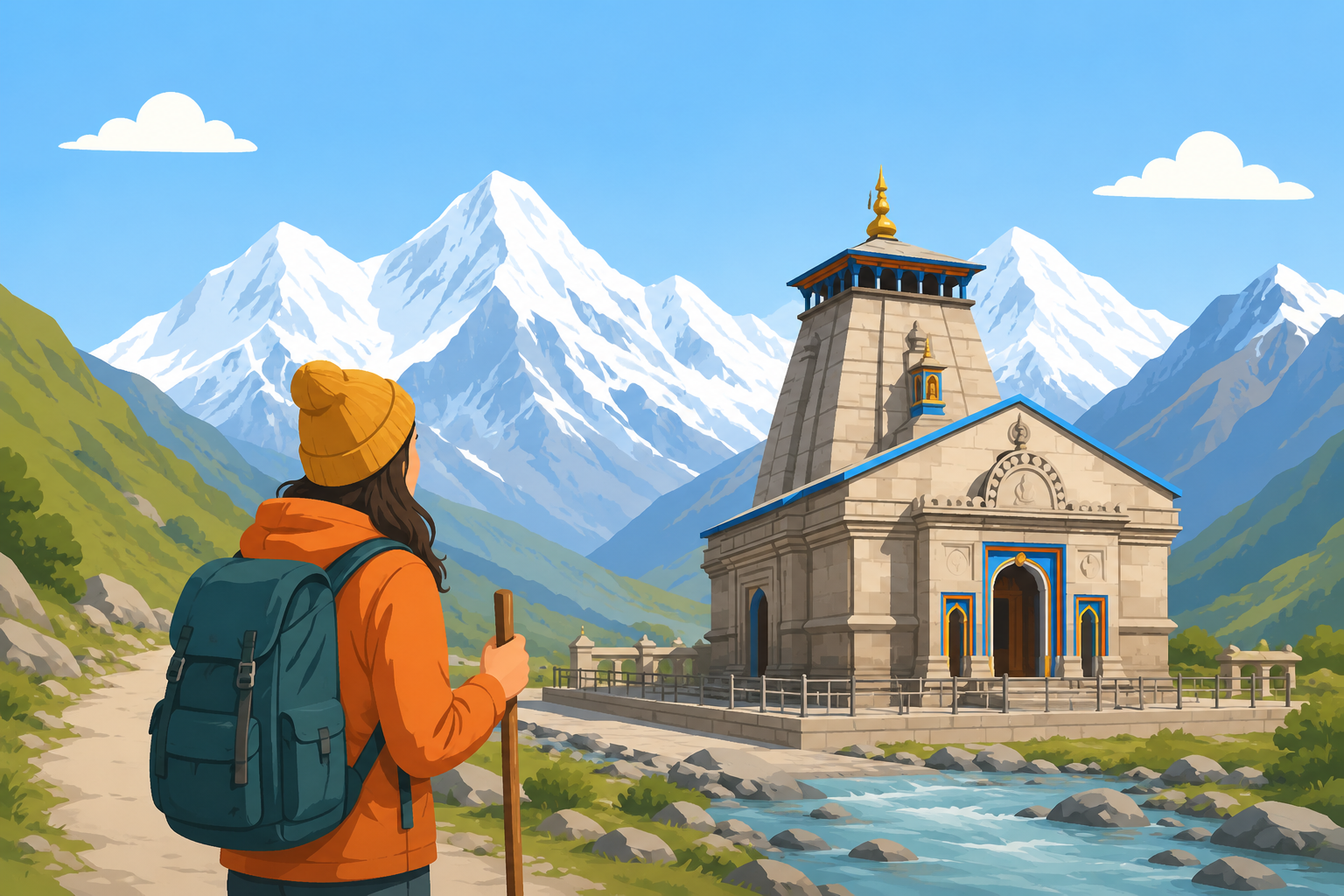
There is a specific moment on the trail to Kedarnath, right around the steep switchbacks of Chhoti Lincholi, where your lungs are burning, your legs are shaking, and you seriously start questioning your life choices. You will probably find yourself wondering why on earth you traded a comfortable couch and a warm cup of tea for a brutal 16 kilometer trek up a mountain.
Then you look around, and everything changes.
You see a sea of everyday people. You see young backpackers leaning on walking sticks, elderly grandmothers taking slow, deliberate steps, and devotees walking completely barefoot. They all have tears in their eyes, chanting “Har Har Mahadev” with a passion that echoes off the rocks. Everyone is pushing forward together, leaning on each other, breathing in that crisp, biting mountain air.
Reaching the sacred home of Lord Shiva at 11,755 feet is not just a checkbox on a travel itinerary. It is a deeply emotional journey that stays with you long after the muscle soreness fades. But as magical as it is, raw devotion alone will not get you past the strict police checkpoints or save you from altitude sickness. If you are dreaming of making this pilgrimage, here is a friendly, honest, and down to earth roadmap to help you prepare for the 2026 season.
Why Kedarnath Holds a Special Place in Our Hearts
Perched beautifully against the massive, snow covered Kedar Dome peaks, the Kedarnath Temple is the highest of the 12 Jyotirlingas in India. Built out of enormous, interlocking grey stone slabs, it has stood strong for over a thousand years. It even miraculously survived the devastating 2013 flash floods when a giant boulder, now lovingly worshipped as the Bheem Shila, rolled down the mountain and stopped perfectly behind the temple, splitting the raging waters away from the structure.
For millions of us, this is not just an ancient building. It is a place of profound healing and forgiveness. When you finally stand in that temple courtyard, watching the morning mist rise off the Mandakini River while the temple bells ring, a wave of pure peace washes over you. In that exact moment, every single painful step of the journey becomes completely worth it.
Getting There: The Long Road from Rishikesh to Gaurikund
Most people start their journey from the riverside town of Rishikesh. If you want to skip the headache of organizing everything yourself, booking a curated Kedarnath package from Rishikesh is a wonderful option. It takes the weight off your shoulders by sorting out your local transport and mountain stays ahead of time.
The drive from Rishikesh to Gaurikund, which is the tiny base town where the road ends and the walking path begins, is about 220 kilometers. Do not let that number fool you into thinking it is a quick trip. This is a 9 to 10 hour winding mountain drive. The roads hug the cliffside, and the twists and turns can test even the strongest stomachs.
The Journey Step by Step
- Rishikesh to Devprayag: Keep your eyes open here to see the stunning, vibrant spot where the Alaknanda and Bhagirathi rivers meet to form the Ganga.
- Devprayag to Rudraprayag, then onward to Guptkashi.
- Guptkashi to Sonprayag: This is the main transit hub where all private cars and tourist buses have to park.
- Sonprayag to Gaurikund: You will hop into a local shared jeep for a short, bumpy ride to the official starting point of the trek.
A Quick Piece of Advice: Please do not try to drive all the way from Rishikesh to Gaurikund and start your walk on the very same day. It is a recipe for physical exhaustion. Break up the journey. Spend a cozy night at a hotel in Guptkashi, Phata, or Sonprayag, get a good night’s sleep, and start your trek fresh at dawn.
Facing the Trek: Distance, Reality, and Your Options
The actual Kedarnath trek 2026 route from Gaurikund to the temple gates is roughly 16 to 17 kilometers long. The path is fully paved and has safety railings, but make no mistake, it is steep, relentless, and the thinning mountain air makes every breath feel a little heavier.
[Gaurikund] ---> [Jungle Chatti] ---> [Bhimbali] ---> [Lincholi] ---> [Kedarnath Base] ---> [Temple]
(Start)          (4 km)               (2 km)         (5 km)         (4 km)               (1 km)
Most people with average fitness take about 6 to 8 hours to walk up, and around 4 to 5 hours to head back down the next day.
If You Can’t Walk the Whole Way, That Is Okay!
There is absolutely no shame in needing a helping hand. The mountains are tough, and thankfully, you have options when you arrive at Gaurikund:
- Ponies and Mules: A solid choice if you are relatively fit but just do not have the cardiovascular stamina to climb steep slopes for hours. Expect to pay anywhere between ₹3,000 and ₹5,000.
- Palki (Palanquin) or Kandi (Wicker baskets): You sit in a seat or basket, and incredibly strong local porters carry you up. These are a lifesaver for elderly parents or anyone dealing with bad knees and joint pain.
- Helicopter Shuttles: The fastest and most comfortable option, taking off from small helipads dotted around the lower valley.
The Boring (But Super Important) Stuff: 2026 Registration
To keep everyone safe and prevent dangerous overcrowding, the Uttarakhand government requires every single person to register. Please take this seriously: if you do not have a valid Yatra E-Pass with its unique QR code on your phone or paper, security teams will kindly but firmly turn you around at the Sonprayag checkpoint.
The good news is that registration for the 2026 season is completely free and takes just a few minutes. You can register using the official Uttarakhand Tourist Care Registration Portal.
Alternatively, you can choose one of these other easy methods:
- WhatsApp (The easiest way): Just send the text “Yatra” to +91 8394833833 and a helpful automated system will guide you through the steps.
- The Phone App: Search for and download the official Tourist Care Uttarakhand mobile app on your Android or iOS device.
- In Person: There are physical counters at the Rishikesh and Haridwar railway stations, but the lines can be painfully long and eat into your travel time.
Packing Smart: How Not to Freeze or Get Soaked
The weather at 11,000 feet is wild and unpredictable. You can go from sweating under a bright blue sky to shivering in a freezing rainstorm within twenty minutes. The secret is packing for three seasons all in one backpack.
What to Throw in Your Bag
- Dress Like an Onion (Layers): You want good thermal innerwear, a warm fleece sweater, and a high quality, heavy duty winter jacket that keeps out the biting wind.
- Ditch the Umbrellas: Buy a thick, sturdy poncho or raincoat instead. Umbrellas are completely useless against violent mountain winds, and they occupy a hand you desperately need for balance or holding a walking stick.
- Listen to Your Feet: Wear proper hiking shoes or sports shoes with deep rubber grips, and make sure you have worn them around town before the trip to break them in. Smooth, flat soled sneakers will make you slip instantly on wet rocks and muddy trails.
- Your Health Kit: Bring your daily personal medications, plus pills for motion sickness, pain relief, lots of band-aids for blisters, and a few small, portable oxygen cans. You can easily buy these oxygen cans at local shops in Guptkashi or Sonprayag if you feel short of breath.
Mistakes We Don’t Want You to Make
- Trusting Sketchy Travel Agents for Helicopters: The internet is crawling with scam websites selling fake helicopter tickets. Real tickets are strictly sold online through the Official IRCTC HeliYatra Website. Even then, you have to register for the Yatra first, because the ticket portal requires your registration number before it lets you book.
- Underestimating Altitude Sickness: The mountains demand respect. If you rush from the plains straight up the mountain without spending a night at a middle altitude town like Guptkashi to let your body get used to the thin air, you will likely end up with a pounding headache and intense nausea. For medical guidelines on safely adjusting to high elevations, check out the National Institutes of Health Guide on Altitude Sickness.
- Sleeping In and Starting Late: Trying to start your trek past 10:00 AM is a terrible idea. Darkness falls fast in the mountains, and by 5:00 PM, the trails become pitch black and freezing cold. Do yourself a favor and start your walk between 4:00 AM and 5:00 AM.
Your Questions Answered
Is the helicopter option actually worth the money?
Yes, it really is, especially if you are traveling with elderly relatives, little kids, or if your boss only gave you a few days off work. A helicopter ride from Phata or Sirsi turns a grueling, exhausting 7 hour trek into a jaw dropping, beautiful 8 minute flight over the green valleys.
However, keep a backup plan in mind. Helicopters are 100% slave to the weather. If a thick blanket of fog rolls in or heavy rain starts pouring, all flights are grounded instantly. Always keep one extra “buffer day” in your travel plans just in case weather delays your flight.
What is the absolute best month to visit Kedarnath in 2026?
You want to aim for two specific sweet spots: May to June or September to October.
- May to June: The weather is crisp and perfect for trekking, but keep in mind that because it is summer vacation time, the temple will be very crowded.
- September to October: This is the absolute best time to go. The heavy monsoon rains have stopped, washing the mountains clean and leaving the air crystal clear. You will get the most breathtaking views of the snowy peaks, and the crowds are much lighter and calmer.
- Please avoid July and August. The heavy monsoon rains cause dangerous landslides and flash floods on the mountain roads, making travel highly risky. To check real-time weather alerts and warnings before your trip, visit the Indian Meteorological Department Website.
At the end of the day, Kedarnath isn’t just a holiday trip—it is an achievement. It is a story you will tell your grandkids. Pack smart, look out for your fellow travelers, respect the unpredictable power of nature, and enjoy every single step of the climb. Bam Bam Bhole!